
We rock Nikes cause we think they’re clean, our baggy jeans are fly and accessories like bandanas, sunglasses, big chains and extravagant ring assortments are “teeaaaa.” What many of us don’t do, however, is acknowledge where these fashion trends originated.
Some of the recent trends, including “Mama Mia” hair, “Bo Derek” braids (actually Fulani braids), bangles, arm cuffs, watch stacks, baggy jeans and parachute pants, while being sported by white people, all originated from black culture.
Some users of social media suggest that there’s too much “sensitivity ” around cultural appropriation and a lack of recognition regarding where fashions originate. However, what many people simply don’t understand is that the history and culture of fashion is essential to Black and Brown people in America. Their creations in fashion are not only tethers through their culture, tracing all the way back to the African ancestors of slaves, they would be a large piece of capital if not stolen from them.
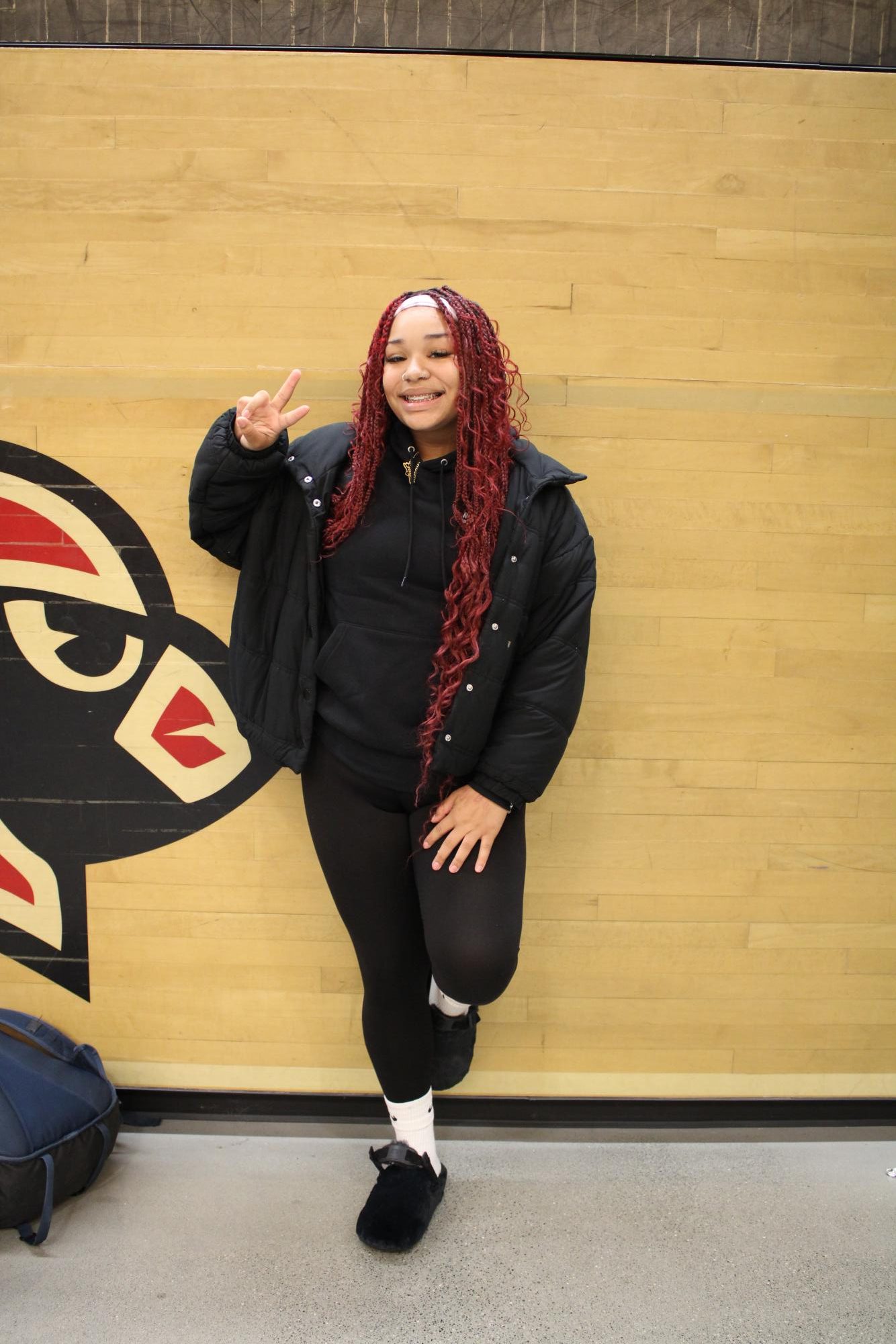
Junior Eniya Taylor said that “I feel like my culture is very important, especially in my everyday life and the community I’m around. And so I try to apply my culture to my everyday life because a lot of people don’t know about it. If I can educate [others] just in the way I dress.”
Taylor thinks people do not seem to treat fashion practices as a knowledge to be shared. She notices that Black and Brown people created so much of what’s called fashionable, fly, or cool today, but aren’t credited.
“I feel like as an African-American, I know personally I give credit where credit’s due for fashion,” said Taylor, “but I feel like nowadays it’s like, oh, I’m just fly or, oh, I just made up this outfit. But like in [reality], like in all honesty, Black and Brown culture came up with the ability to be fly.”
Sophomore Shai Reiter doesn’t think the neglect towards acknowledging contributions by Black and Brown communities is intentional. But does it happen?
“I think it does happen. Yeah,” said Reiter.
The CROWN Act introduced in 2019 was made to combat the systemic racism in the U.S. The former Editor-in-Chief of the Cardinal Times, Evan Reynolds, included a testimony from a student citing the U.S. Department of Labor Statistics on the treatment of and conformity of black and Brown people: [B]lack women are 80 percent more likely to change their natural hair to meet workplace norms and expectations; they are also 50 percent more likely to be sent home as a result of their hairstyle or to know someone who has been.” This information substantiates the fact that Black and Brown people have been and continue to be punished for what they wear. Black and Brown people have been criminalized for example with laws against sagging. Yet, Balenciaga, a major fashion brand, sells pants that are sewn to imitate sagging, at the price of $1,200 USD. This is just one of many examples of White people taking innovations that were viewed and treated obscurely from Black and Brown people, reproducing them, and being accepted.
For more insight and the Black and Brown cultural influences on fashion check out Virginia Commonwealth Universities publication: “Fashion expert reflects on how Black designers, models and musicians have influenced the way the world sees and wears clothing”