The United States and Israel bombed Iran on Feb. 28, killing Iranian Supreme Leader Ayatollah Khemini. President Trump says his goal was to eliminate the threat of the Iranian military and its nuclear weapons, according to CBS.
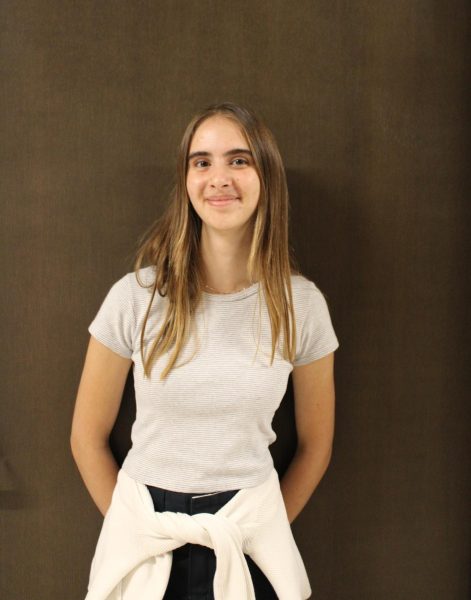
Atena Hajir, a half-Iranian and half-Palestinian junior at Lincoln, heard about the war through her mom’s side of the family in Iran just before the Wi Fi was cut by the government.
“In the middle of the night, my mom got a call,” Hajir said. “Her cousins and aunts were all telling her, ‘Iran’s getting bombed right now.’”
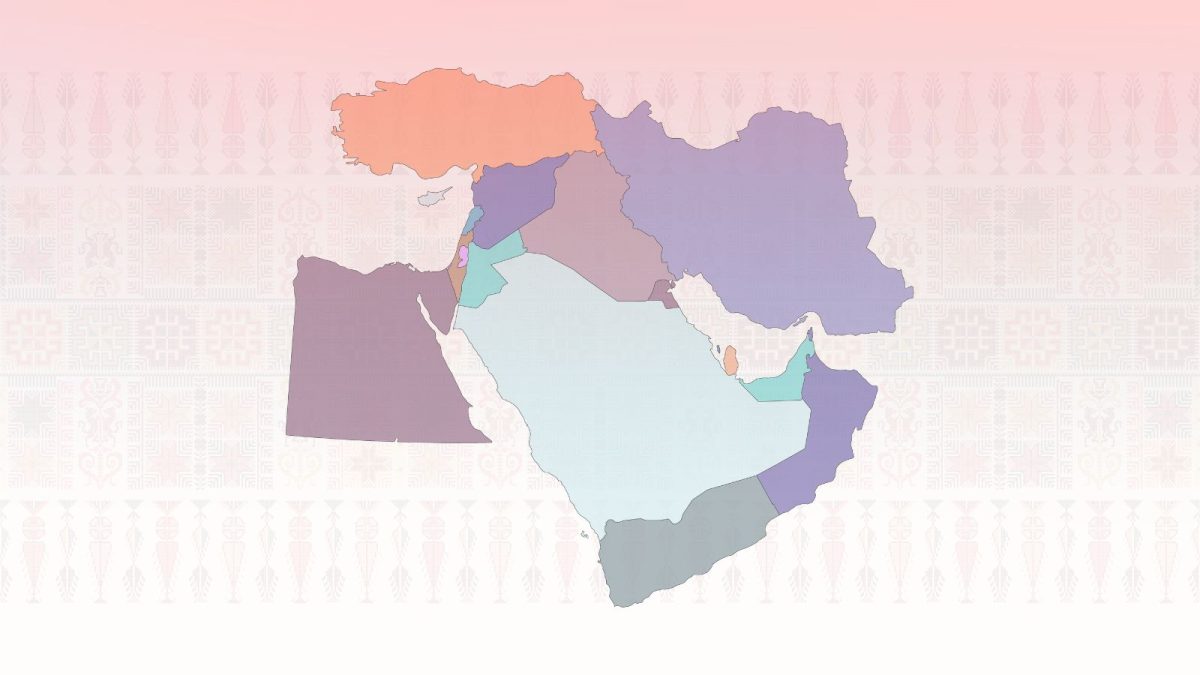
Since the initial attack, according to PBS, Iran retaliated by attacking U.S. military assets in Kuwait, Qatar, Saudi Arabia and the United Arab Emirates.
Lebanon was pulled into war when the Islamic militant group Hezbollah fired rockets and drones from Lebanon at Israel in early March.
Soon after, Israel told South Lebanon to evacuate because they plan to strike. According to The Guardian, over one million people in the area have fled their homes. Furthermore, Israel says it will occupy areas in southern Lebanon and destroy the homes along the border to prevent the return of 600,000 residents.
“My dad, his family’s houses in Lebanon have been bombed. They’re destroyed. And he’s coming home every day [from work in Portland,] just really sad. Same with my mom because we have family [in Iran and the Middle East,] so she’s really scared [about] if they’re gonna make it or not,” said Hajir.
Senior Remi Kinzie keeps in contact with his family in Lebanon and has been concerned for their safety.
“I came home from school a few days ago and my mom was pretty sad about it because a lot of the bombing occurred near where her [childhood home] is,” Kinzie said. “It’s so far away yet it’s so close to home.”
Kinzie’s immediate family is in the U.S., but they worry about their extended family in Lebanon.
“We’re just checking in on [our extended family] every now and then and hoping that they stay safe. They seem to be in pretty good spirits, though. You have to be strong,” Kinzie said.
In addition to people’s safety, the war is affecting religious traditions. The primary religion in the Middle East is Islam.
“It’s really sad because everything just went into ruins. Now everyone’s fasting for Ramadan; it’s unfair because no one has anywhere to go or to eat,” Hajir said.
Kinzie is inspired by the strength of Middle Eastern people, especially during the conflict.
“The kids in the Middle East are the strongest. They’re the ones that are really suffering through all this, and despite that they still live on, persist. I think we need to take some inspiration from them and learn to protest even in the smallest ways,” Kinzie said.
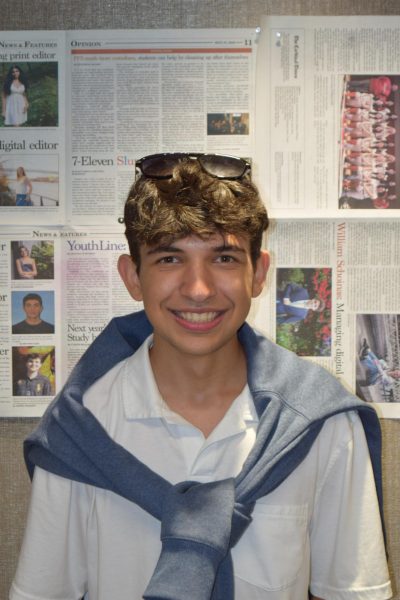
Senior Benjamin Luria, a Jewish student, says his family in Israel is also experiencing hardships.
“They don’t even have enough time to shower, to go places, to use the bathroom. They are just constantly in and out of bomb shelters, 24 hours a day, which is really terrible,” Luria said.
Luria hopes that eventually countries in the Middle East will reach an understanding and coexist peacefully.
“I dream of a day where [the relationship between Middle Eastern countries is] closer to a rivalry than animosity, where the most intense it gets is a soccer game or something,” Luria said.
Luria has gone into classrooms in the Portland metro area to teach other students about antisemitism and Judaism. He believes education about the war is vital so that everyone can have a factual understanding.
“In my experience, a lot of the kids are interested in learning,” Luria said. “Just having access to all of these different perspectives and all of these different opinions is extremely important.”
Hajir calls for change in the language used among her peers at Lincoln.
“[Students] call Middle Eastern students bombers, [saying things like] ‘I’m scared you’re going to bomb the school.’ I think that makes Middle Eastern students feel uncomfortable, especially because of our heritage,” Hajir said.
Kinzie pushes for Lincoln students to support advocacy for peace in the Middle East, from the ongoing conflict in Palestine to the current regional war.
“And I think we need to take some inspiration from [Middle Eastern protesters] and just learn to protest even in the smallest ways,” Kinzie said. “No bombing ever needs to happen. No kids ever need to be killed.”
Luria believes education can help people understand the situation in the Middle East more fully, as well as support Middle Eastern students.
“Analyze not just what the people are, what each side is saying, but why they’re saying it. Think about the reasoning behind everything,” Luria said. “If [you] have Jewish friends, Palestinian friends, Arab friends, Iranian friends: talk to them.”